Comprehensive Guide to Choosing the Right Hardware for Your Business
Al
Understanding Your Business Needs
Choosing the right hardware for your business begins with a clear understanding of your operational needs. Assess what tasks need to be performed and the level of performance required. Different industries and businesses have varying demands, so tailor your choices accordingly. For instance, a graphic design firm will have different hardware requirements compared to a retail store.
Types of Business Hardware
Computers and Laptops
Computers and laptops are the backbone of most businesses. Decide between desktops and laptops based on mobility needs and space constraints. Desktops generally offer more power and are easier to upgrade, while laptops provide flexibility for on-the-go work.
Servers
Servers are crucial for businesses that need centralized data storage and processing. Consider the size of your business and future growth when selecting a server. Options range from small business servers to enterprise-level solutions.

Networking Equipment
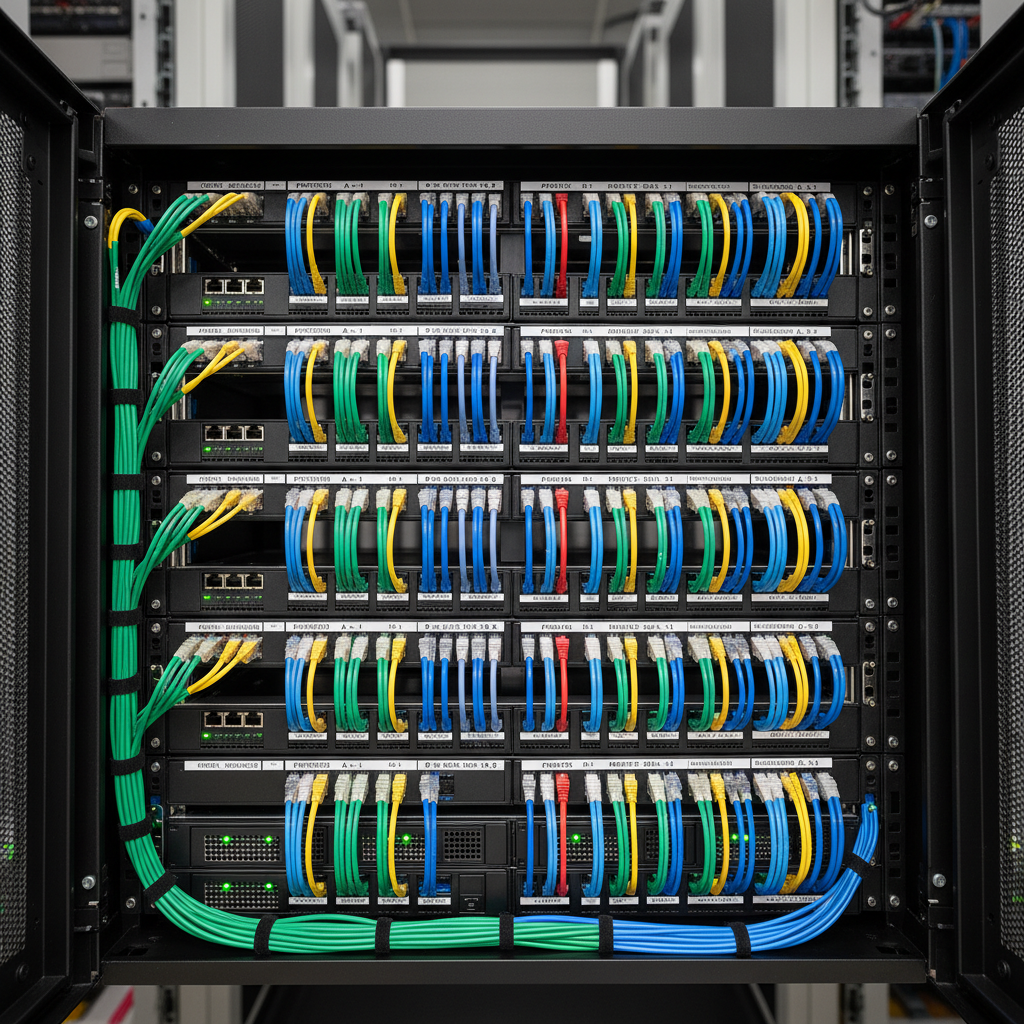
Reliable networking equipment is essential for seamless communication and data exchange. Invest in high-quality routers and switches to ensure fast and secure connections. If your business relies heavily on internet usage, consider redundancy options to minimize downtime.
Wireless vs. Wired Networks
Decide between wireless and wired networks based on your office layout and the nature of your business. Wireless networks offer flexibility, but wired networks often provide faster and more stable connections.
Storage Solutions
Data storage is a critical aspect of business operations. Depending on your data size and accessibility needs, choose between hard drives, SSDs, or cloud storage solutions. Cloud storage offers scalability and remote access, which can be beneficial for businesses with remote employees.
Data Security
Ensure your storage solutions include robust security measures to protect sensitive business information. Encrypt data and implement regular backup procedures to safeguard against data loss.
Budget Considerations
While it's important to choose quality hardware, staying within budget is equally crucial. Prioritize essential hardware first and consider leasing or financing options for more expensive items. This approach can help manage cash flow while still equipping your business with the necessary tools.