Comprehensive Guide to Choosing the Right Hardware for Your Business
Al
Understanding Your Business Needs
Choosing the right hardware for your business begins with a clear understanding of your specific needs. Different industries and business sizes have unique requirements. Assess what tasks are most crucial to your operations, whether it's data processing, graphic design, or customer relationship management. Tailoring your hardware to these needs can significantly enhance efficiency and productivity.
Start by listing the primary functions that your hardware must support. Understanding these functions will guide your choices and ensure that you're investing in technology that truly benefits your company. Consider consulting with your team to get a comprehensive view of everyone's requirements.

Setting a Budget
Budget is a critical factor when selecting hardware. It's essential to strike a balance between cost and performance. Cutting corners might save money upfront but can lead to higher costs down the line if the hardware fails to meet your needs or requires frequent repairs.
Establish a realistic budget that considers both initial purchase costs and long-term expenses like maintenance and upgrades. Research various brands and models to find options that offer the best value within your price range. Remember, investing in reliable hardware can lead to greater savings and productivity over time.
Evaluating Performance and Compatibility
Performance is a key consideration when choosing hardware. Evaluate specifications such as processing power, memory, and storage capacity to ensure they align with your business tasks. High-performance hardware might be necessary for demanding applications, while basic models might suffice for less intensive tasks.

Compatibility with existing systems is equally important. Ensure that new hardware integrates seamlessly with your current software and network infrastructure. This reduces potential disruptions and additional costs associated with software updates or replacements.
Considering Scalability and Future Needs
As your business grows, so will your hardware needs. Opt for hardware that offers scalability, allowing you to expand memory, storage, or processing capabilities as required. This foresight can prevent the need for complete overhauls and ensure that your technology grows alongside your business.
Think about future technology trends and how they might impact your industry. Staying informed can help you make forward-thinking decisions that keep your business competitive in the long run.

Prioritizing Security and Support
Security should be a top priority when selecting hardware. Ensure that your choices offer robust security features to protect sensitive business data. Look for devices with encryption capabilities, secure boot options, and regular software updates to safeguard against threats.
Additionally, consider the level of support offered by manufacturers. Reliable customer support can be invaluable in resolving issues quickly and minimizing downtime. Research warranty options and service agreements to find hardware that comes with comprehensive support.
Testing and Feedback
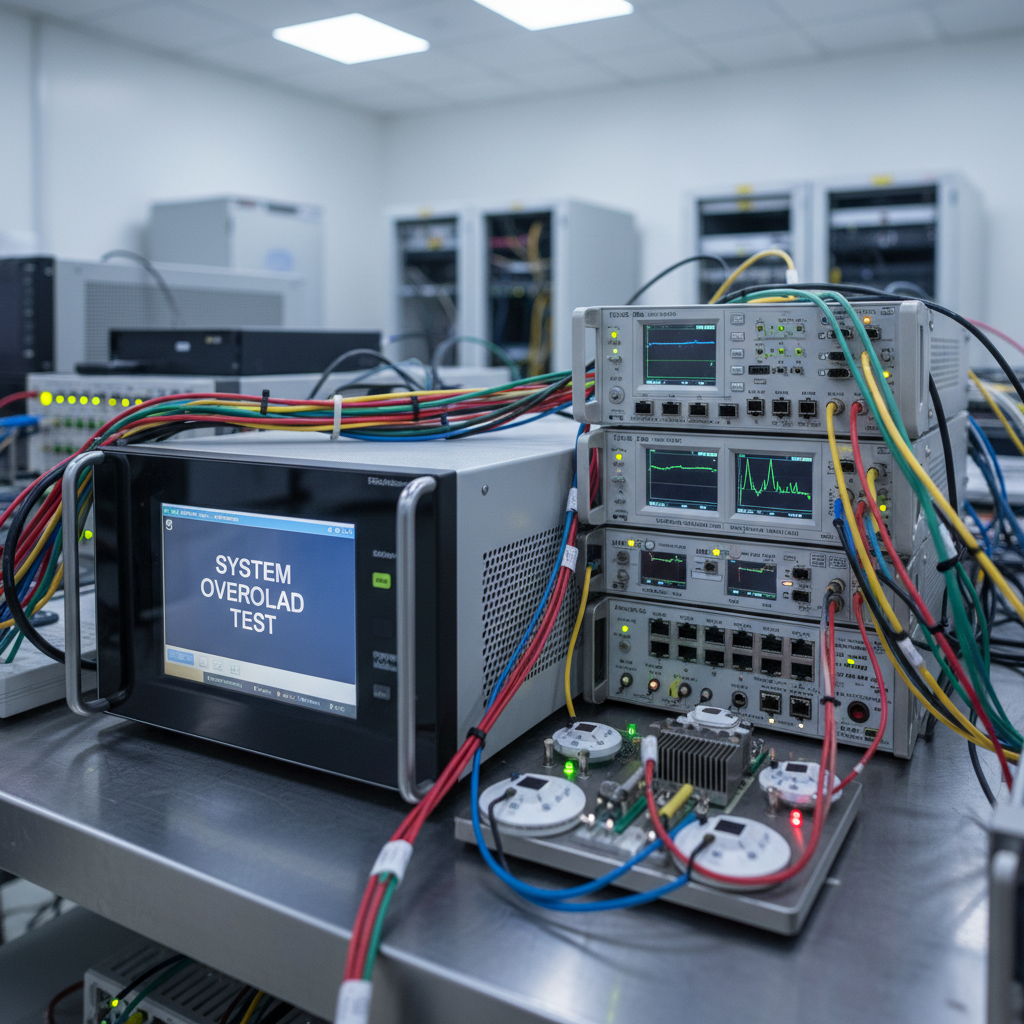
Before making a final decision, test the hardware in your business environment if possible. Many vendors offer trial periods or demo units that can help you assess performance and compatibility firsthand. Gather feedback from your team to ensure that the hardware meets everyone's needs.
Incorporating user feedback can lead to more informed purchasing decisions and greater satisfaction with the chosen hardware. This collaborative approach ensures that the technology supports your entire team effectively.